Skills Needed for Semiconductor Works: A Complete Beginner’s Guide
The semiconductor industry plays an important role in modern technology. Semiconductors are used in smartphones, computers, medical equipment, electric vehicles, communication systems, and many other electronic devices. As technology continues to grow, semiconductor works have become more advanced and specialized.
Most people diving into chip making need a clear picture of what it takes. Working with semiconductors isn’t just about knowing circuits - attention to detail matters just as much. Team effort shapes outcomes nearly every step of the way. Staying safe on site links closely to how well someone grasps technical basics. For learners and experts alike, balancing know-how with careful habits makes all the difference.
This piece covers key abilities needed when working with semiconductors, showing how each one functions in real settings. Following shifts in tech demand shapes which talents matter most today. Newcomers often overlook practical hurdles until they face them firsthand. What companies prioritize now differs sharply from just five years ago.
How Semiconductor Plants Operate?
Inside tiny chips, secrets hum - built through careful shaping, layered creation, checks after checks, putting pieces together, then kept alive over time. These slivers power much of what computes, think silicon hearts breathing in machines.
Few places handle these jobs better than spaces built to stay spotless - cleanrooms keep particles out by design. Dust never stands a chance where airflow gets redirected, filtered, constantly reworked.
Common semiconductor work areas include:
- Chip manufacturing
- Wafer fabrication
- Semiconductor testing
- Equipment maintenance
- Circuit design
- Quality inspection
- Packaging and assembly
Working well means knowing tools plus getting along with others. Success comes from doing tasks right while communicating clearly. Mistakes drop when knowledge pairs with teamwork. Speed improves if focus joins clear thinking. Accuracy grows where skill meets patience.
Skills for semiconductor work matter because they support essential technology production
Faults in manufacturing might alter how gadgets work. Precision matters a lot because chips need to run without errors.
Important reasons these skills matter include:
- Maintaining product quality
- Supporting advanced technology development
- Reducing manufacturing errors
- Improving workplace safety
- Handling sensitive equipment properly
- Supporting automation and modern manufacturing systems
When chips get trickier to build, people on the job must learn new things while doing them. Skills fade fast if they sit still too long.
Core Skills Needed for Semiconductor Work
Technical Knowledge
Grasping how things work matters a lot when making semiconductors. People regularly handle electronics, machines used to build chips, along with gear that checks performance.
Basic technical areas include:
- Electronics fundamentals
- Semiconductor materials
- Circuit understanding
- Microchip structures
- Computer systems
- Automation basics
A strong technical foundation helps workers understand production processes more effectively.
Attention to Detail
Faultless precision matters when building semiconductors. A speck of dust here, a measurement off by microns there - performance takes a hit. Chips respond badly to small errors.
Workers should be able to:
- Follow instructions carefully
- Monitor equipment precisely
- Identify small defects
- Maintain clean working conditions
- Check measurements accurately
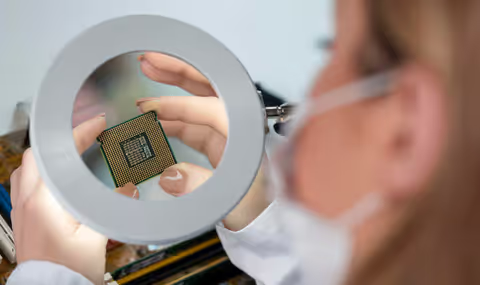
Fine work matters most when building wafers, checking each piece closely. A single oversight can shift outcomes without warning. Close watching shapes results more than speed ever could. Every tiny mark tells a story under bright lights. Mistakes hide where eyes skip too fast. Precision grows from patience, not pressure. What seems small often decides the whole run.
Problem-Solving Skills
Machines sometimes fail when making computer chips. When something goes wrong, workers need to figure it out fast - process hiccups or flawed tests demand attention. Problems pop up without warning, slowing everything down unless caught early.
Problem-solving skills help workers:
- Identify production issues
- Analyze technical faults
- Improve manufacturing processes
- Reduce downtime
- Support quality control
Reasoning clearly matters a lot here. What counts is how well someone breaks down problems, not just raw effort. Thinking through steps carefully makes tasks easier to handle. The way ideas connect often reveals solutions hiding in plain sight.
Computer and Software Skills
Out of nowhere, today's chip plants run on smart software alongside robotic gear. Knowing your way around a PC tends to matter.
Among the helpful abilities tied to software are these
- Data analysis
- Equipment monitoring software
- Spreadsheet usage
- Automation systems
- Process control systems
Working in higher-level positions could mean using coding tools or programs that mimic real-world scenarios.
Communication and Teamwork
Most chip-making efforts bring different teams into play. When people share updates clearly, things tend to move without hiccups.
Important communication skills include:
- Reporting technical information clearly
- Following safety instructions
- Coordinating with team members
- Sharing production updates
- Writing simple documentation
Working together matters just as much in labs as it does on factory floors.
Cleanroom Awareness and Safety Practices
Few places stay as spotless as a chip-making room. Because even dust can ruin what's built there, people wear special suits when they enter.
Important safety-related skills include:
- Wearing protective clothing properly
- Following contamination control procedures
- Handling chemicals safely
- Understanding equipment safety
- Maintaining organized workspaces
Folks stay safer when they pay attention to risks around them. Products meant for tiny circuits last longer under careful handling.
Hard Skills and People Skills in Chip Making Jobs
Working with electronics or running tests keeps production precise. Because problems happen, thinking through errors matters just as much. When people talk clearly and work together, things move smoother across teams. Following cleanroom rules prevents unwanted particles from spoiling products. Using software to track performance fits how factories operate today.
Fine-tuned tools matter just as much as clear communication when building careers in chip-making spaces. Skills that fix circuits pair with those that connect people - each shaping steady progress over time.
semiconductors work by controlling electrical current through materials that can switch between conducting and insulating states
Research and Design
Fine details take shape when engineers sketch circuits, their designs built step by step through precise digital work. Software becomes the workspace where blueprints come alive, shaped not by hand but by careful inputs and layered decisions.
Wafer Fabrication
Fabricating microchips takes semiconductor materials through several production phases.
Testing and Inspection
Each item goes through checks that measure how well it works, holds up over time, one after another. Testing looks at real-use toughness instead of just lab conditions. Performance gets measured against clear benchmarks, sometimes quietly, often without fanfare.
Packaging and Assembly
Wrapped up tight, semiconductor parts get ready to slide into gadgets. Chips go through a finishing step so they fit right inside electronics. Built to last, these tiny pieces move on to join circuits in machines. Sealed away safely, each unit waits its turn to power something bigger.
Quality Control
Inspection teams monitor product consistency and manufacturing accuracy throughout the process.
One step needs focused expertise along with clear teamwork. Another relies on skill paired with steady planning.
Changing Ways People Learn Semiconductor Skills
Out here, chipmaking shifts fast - tools and techniques keep updating. Lately, what workers need to know isn’t quite the same anymore.
Increased Automation
Robots are showing up more often inside factories these days. Because of that, people on the floor must understand how machines run by code behave. Watching screens that track live system data has become part of daily work. Knowing what to look for makes a difference when things shift quickly. Tech moves fast, so staying aware matters just as much as hands-on tasks.
Artificial Intelligence Integration
Fault spotting now happens through smart software, while machines get serviced just before they fail because systems foresee breakdowns. Production lines run smoother since adjustments come from pattern recognition instead of guesswork.
Advanced Chip Manufacturing
Fine details matter now that computer parts keep shrinking while gaining strength. Because of this shift, exactness takes priority - skills must match the task. Tiny pieces demand sharp thinking plus a steady hand. As things compress, know-how becomes harder to come by. Precision steps forward where guesswork fails. Smaller sizes push limits further each year. Expertise grows scarce just when it's needed most.
Focus on Sustainability
Factories making computer chips now use less power, while also cutting down on trash they create. Caring about nature starts to matter more than before.
Demand for Cross Functional Knowledge
Because tech keeps changing, people who understand circuits, code, and how factories run matter more now. Machines need minds that speak both hardware and programs. Those who get how digital tools shape physical products stand out. When systems connect, skill gaps shrink only if workers adapt. Knowing one part helps, but seeing the whole picture counts far beyond single tasks.
Challenges in Semiconductor Work
Complex Manufacturing Processes
Fine details matter when making semiconductors, since each stage needs close attention. Though complex, the process moves step by step without rushing. Because mistakes can spoil results, workers stay focused throughout. While machines help, human oversight still plays a role. After one phase finishes, the next begins only when ready.
Rapid Technology Changes
Faster changes in the field mean staying updated matters more each day. Still, keeping up isn’t automatic - it takes effort over time.
Cleanroom Restrictions
Workers must adapt to strict environmental and safety procedures.
Equipment Sensitivity
Machines that do more need closer attention when running. How they behave over time tells you what adjustments matter most.
Long Process Cycles
Fabricating certain semiconductors demands long stretches of careful watching. Time adds up quickly when each step needs close attention throughout.
When new learners grasp these hurdles, they start lining up with what the field usually asks.
Beginner Errors to Skip
Ignoring Safety Procedures
Working safely matters most when handling semiconductors. Bypassing steps can lead to dirt getting in - or worse, machine problems.
Overlooking Small Details
Faults that seem tiny might still shake up how well chips work or how smoothly they’re made.
Weak Documentation Habits
Tracking how things go means writing down what happens during work. Notes on output help spot hiccups later. Jotting facts makes it easier to figure out where a problem started. Details recorded today guide fixes tomorrow. Watching progress needs clear logs from each step. Mistakes get clearer when everything’s been noted along the way.
Lack of Ongoing Learning
New tools pop up often, which means staying current keeps skills sharp.
Poor Communication
When teams fail to share information clearly, work slows down. A mix-up in messages can cause mistakes during manufacturing. Poor communication often results in missed deadlines. Confusion across departments sometimes creates flawed outputs. If details get lost, projects take longer to finish.
Mistakes skipped mean better flow at work, faster gains in knowing stuff.
Tips for Improving Semiconductor Skills
Learn Basic Electronics
A solid base begins with grasping how circuits work along with the basics of semiconductors.
Practice Technical Observation
Spotting problems early means catching faults before they grow. A close look at machines reveals flaws that slow output down.
Improve Digital Skills
Folks who get how software works tend to stand out now. Knowing what to do with numbers gives an edge, too.
Focus on Precision
Accurate work habits are essential in semiconductor environments.
Keep Track of What’s Happening in Your Field
Staying up to date with what's happening in the field helps build a clearer picture over time. One way this happens is by exploring fresh tech developments now and then. Gaining insight often comes from piecing together bits found across different sources. Sometimes it just clicks after seeing how things connect. Understanding grows quietly when attention stays consistent.
Conclusion
Working with semiconductors means understanding complex systems, yet staying sharp on small errors matters just as much. Solving issues pops up daily, so thinking clearly under odd pressures becomes normal. Talking plainly with teammates keeps things moving, even when machines do most of the work. Staying safe around delicate tools isn’t optional - it shapes every move made onsite. With tech spreading into cars, phones, medicine, the need for steady hands and trained minds only climbs higher now.
Start with basics, then move toward exactness - newcomers see how chip-making spaces function because of careful steps. Instead of skipping details, each step matters, shaping reliable tech through steady habits like handling circuits or staying safe in sterile rooms.
Staying sharp matters most when working with semiconductors. Change is constant, so adjusting without delay makes a difference. Paying close attention every single time helps avoid missteps along the way.