Semiconductor Supply Chain: A Complete Guide to Challenges, Processes and Global Trends
The semiconductor supply chain is a complex global system that supports the production of electronic components used in everyday devices. From smartphones to cars and medical equipment, semiconductors are essential for modern technology.
From farms to factories, the flow of materials shapes what gets made where. When shipments stall, shelves empty faster than expected. Hidden links between producers ripple through cities far away. A glitch in one spot lifts prices on items people rely on daily. What happens overseas often shows up in local stores weeks later.
This guide breaks down core ideas, why they matter, how things fit together, plus what has changed lately in chip making. All explained plainly.
Inside the global chip making network
Starting with raw materials, the journey of a chip spans continents through tightly linked steps. Instead of relying on single nations, facilities across the world handle distinct tasks. One phase flows into another, shaped by shared effort and precision work. No single player controls the full path from start to finish.
Key Stages in the Supply Chain
Blueprints come alive when design engineers sketch out chip layouts. Before anything runs, silicon gets readied along with companion materials. Inside cleanrooms, fabrication turns plans into tiny circuits on wafers. Once built, chips move to housing units where checks begin without delay. From labs to assembly lines, finished batches travel straight to builders.
One step relies on what came before, so any hiccup can ripple through the whole setup.
Why the Chip Supply Network Matters
Electronics keep things running these days - chips make that possible. Without them, entire sectors would stall, stuck without the tiny parts they depend on. What runs quietly inside devices shapes how everything works out here.
Why It Matters
- Built on fresh momentum, tech keeps moving forward because of progress in devices that connect people and power machines. One step at a time, better tools emerge when circuits improve and signals travel faster. Without slowing down, each breakthrough in processing opens room for smarter ways to share information
- Fueled by chip access, sectors worldwide keep moving. When supplies shift, entire markets feel it. Machines hum because tiny parts arrive on time. Without these components, progress stalls fast
- Powering everyday tech: found inside phones, tucked into laptops, running through cars, built into household machines
- Opens doors to new ideas: helps power breakthroughs such as smart machines that learn on their own, while also moving routine tasks without human help. Technology keeps shifting because tools evolve faster than before
- Chip DesignEngineers create the blueprint using design tools
- Simulation ensures functionality before production
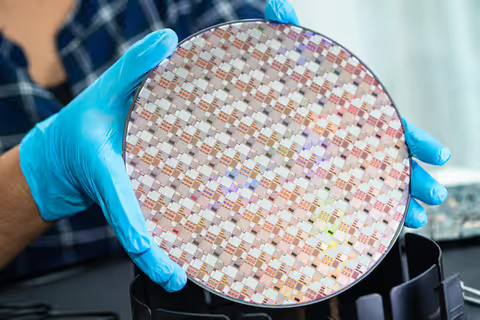
- Pieces of silicon get cleaned before shaping. Then thin slices form through careful cutting. After that comes smoothing the surfaces. Finally each wafer waits for its next step
- Other materials are prepared for layering
- On tiny surfaces, layers stack up one after another. Machines shape each level with extreme care. Step by step, the structure grows into a chip. Precision tools guide every movement. Each phase follows without delay. The process repeats until complete
- This stage requires cleanroom environments
- Once sliced, chips get fitted together then sealed inside safeguarding covers
- One by one, every chip goes through checks to make sure it runs right. After building, each piece faces trials that confirm strength and speed. Before moving on, units are put through routines spotting flaws early. Performance gets measured using live scenarios instead of fixed scripts. Reliability comes from repeated stress cycles under shifting loads
- DistributionChips are shipped to device manufacturers globally
Failing to secure reliable deliveries leaves most sectors scrambling just to keep running.
Key Parts and Characteristics
A web of makers and steps shapes how chips move from idea to device. One part builds materials, another handles design, while others manage production stages.
1. Design Companies
Most of these firms build chip blueprints with custom-built programs. Yet production often happens elsewhere, handled by separate teams.
2. Foundries (Manufacturing Units)
Out of blueprints come tiny brains for gadgets - foundries build them. Not just any machine will do; each step needs sharp accuracy mixed with cutting-edge tools.
3. Suppliers of Equipment and Materials
Out there, machines show up alongside boxes of chemicals - silicon wafers tucked within. Supplies roll in before any making begins.
4. Assembly and Testing Units
Once made, each chip gets sealed then checked for flaws before leaving the facility.
5. Distribution Networks
Fresh off the production line, chips travel straight to gadget makers across the globe.
Inside the global chip production network
From concept to creation, chips move through stages shaped by planning, making, then shipping. Step one shapes what comes next - each phase builds on the last without skipping ahead.
Step-by-Step Process
Some steps might stretch across weeks - sometimes longer - if things get tricky. Complexity decides how long it takes.
latest trends and updates recent years
Facing shifts from world events plus leaps in tech, the chip-making path has shifted a lot lately. Global tensions mixed with faster innovation pushed adjustments across production lines. Unexpected delays struck at key points, nudged factories to rethink where parts come from. Machines now do more tasks once handled by people, changing how plants operate. Even small suppliers feel pressure to adapt quickly or fall behind others moving fast.
1. Build Stronger Supply Chains
Facing tight supply chains, nations plus businesses shift manufacturing spots worldwide. Some factories now rise where few stood before, easing strain on familiar hubs. New sites emerge as old ones lose their grip on output. This spread aims to steady flow when trouble hits one area. Reliance on single zones fades slowly through these moves.
2. More Money Going Into Making Things
Fresh money flows into making more chip factories lately. Equipment upgrades spread across facilities at a steady pace. Growth pushes through delays that once slowed output. Machines run longer now thanks to smarter setups. Some regions lead the shift while others catch up slowly. New sites appear where none operated before. Progress shows in higher yields each quarter.
3. Using Newer Tools and Systems
Finding better ways to move goods happens through smart machines that learn while they work. Some systems now adjust routes by themselves when delays pop up. Machines take over repetitive jobs once handled only by people. Efficiency grows where software predicts problems before they occur. Tools shaped by data help teams make choices faster than before.
4. Shortage Awareness and Planning
Out of nowhere, supply gaps worldwide started revealing flaws in how stores predict demand. Because of that, tracking stock got way more critical than before.
5. Sustainability Efforts
Focusing less on power use, firms adjust how they make things to help nature. While cutting waste becomes key, factories shift methods quietly behind scenes.
Common Challenges and Considerations
Despite its importance, the semiconductor supply chain faces several challenges.
1. Global Dependency
When key areas face problems, everything downstream feels the impact. One region's stumble can ripple through distant operations.
2. High Production Complexity
Few places can make computer chips because it takes such exact work plus cutting-edge tools.
3. Long Production Cycles
Faster chip production might ease shortages when orders spike. Yet delays often stretch out if factories can’t keep pace. Pressure builds when output lags behind what buyers need. Bottlenecks show up most when everyone wants more at once. Making chips takes longer than expected, which slows everything down.
4. Supply and Demand Out of Balance
When more people want something fast, supplies might not keep up.
5. Logistics and Transportation Problems
Facing snags overseas might slow down arrivals. Shipments from far away sometimes take longer than expected.
Common Mistakes to Avoid
When you know typical problems, seeing how supply chains work becomes clearer. What hides behind delays often points to weak spots few notice at first. Spotting these patterns changes how you view movement of goods. Mistakes repeat unless they’re named. Each hiccup teaches something about timing, communication, or planning gaps.
- Ignoring Supply Chain Dependencies
- Missing worldwide links might mean plans go off track
- Underestimating Demand Fluctuations
- Sudden demand changes can disrupt supply
- Lack of Diversification
- One place only? That spreads danger faster. Spreading out cuts how much can go wrong at once
- Limited Inventory Planning
- Running short on supplies might slow down manufacturing. A lack of materials often means work waits. When inventory dips too low, operations stumble. Without enough parts, assembly lines pause. Production falters if stock runs thin
Conclusion
Starting far back in the process, tiny chips begin as ideas sketched on screens. After that comes shaping circuits through precise engineering work done overseas. Moving ahead, raw materials get refined in one country then shipped elsewhere. Often delays pop up when borders slow down shipments. Factories turn those parts into working units day after night. Then planes carry finished pieces to warehouses under bright lights. Teams in separate time zones track every step without missing signals.
One reason gadgets show up late? Blame tangled web of parts moving across continents. When factories hiccup, ripples spread fast - no single fix in sight. New methods pop up now and then, shaped by pressure to keep things running. Change sticks when it has to, driven by need more than plan.