Environmental Impact of Semiconductor Manufacturing Plants: Understanding Challenges and Sustainable Practices
The environmental impact of semiconductor manufacturing plants has become an important topic as electronic devices continue to play a larger role in daily life. Semiconductors are tiny materials and components that power smartphones, computers, vehicles, communication systems, and many modern technologies.
When more people around the world buy electronic devices, factories that make computer chips grow faster. Even though these plants help new technology come to life, how they operate might harm water sources and nearby environments. Looking closely at pollution, energy use, and waste shows why smarter choices matter in industry. Seeing these effects clearly leads to better ways of using materials without wasting them.
This piece covers how chip factories work, what they do to nature, changes happening lately, plus things worth thinking about - all laid out clearly without jargon. It opens a window into complex processes using everyday words, keeps feet on the ground while walking through facts. Some parts surprise, others feel familiar, yet none stretch too far or pad space. Details stay close to real world, avoid floating off into theory. Each idea connects like stepping stones across a quiet stream.
Inside the Machines That Build Chips?
Fab sites - commonly known as semiconductor plants - are where the making of chip components happens. These factories specialize in crafting tiny electronic parts through precise processes. Production inside them follows strict, controlled methods to shape materials into working circuits.
Inside these facilities, tiny circuits come together through careful steps. Materials meet strict chemical mixes along with purified water flows. Precision machines shape each piece without room for error. Processes run in tight sequence, one after another. Every detail stays controlled down to the smallest level.
Common products manufactured in these facilities include:
- Computer processors
- Memory chips
- Communication components
- Automotive electronics
- Sensors and microchips
Fine dust matters more than you’d think - tiny bits floating around can mess up how chips work. Clean spaces aren’t just preferred, they’re non-negotiable during manufacturing. A speck invisible to the eye might alter performance in ways that show later, far down the line.
How Semiconductors Are Made
From start to finish, steps unfold through both chemical changes and physical handling. Each phase shifts into the next without skipping a beat.
Main Production Steps
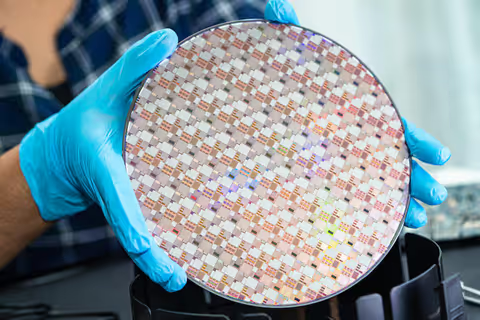
Silicon wafers begin life as raw disks, formed during production. Patterns reach the wafer surface through light-based printing steps. Where material must vanish, etching carves out precise shapes. Layer by layer, new films settle via deposition techniques. Dust and dirt disappear after thorough cleaning rounds. Final checks happen before chips get sealed for delivery.
Water, chemicals, and power go into every phase. Step by step, inputs add up behind the scenes.
Environmental Impact Why It Counts
Few notice how much water and power chip factories use until problems arise. One plant can drain local supplies while running nonstop. Energy demands climb fast when production scales up. Waste byproducts often escape scrutiny even though they linger for years. What goes unnoticed today may shape tomorrow's shortages.
Environmental concerns include:
- Large water usage
- High electricity consumption
- Chemical waste generation
- Air emissions
- Carbon footprint expansion
When people want more gadgets, looking after the planet starts to matter a lot. What we build now shapes how nature holds up later.
Environmental Effects of Chip Factories
Water Consumption
Fresh off the production line, those tiny chips need loads of spotless water just to get made. Cleaning each layer takes gallons of liquid so pure it borders on science fiction stuff.
Water that is extremely clean takes out impurities while keeping manufacturing processes accurate. Though often overlooked, its role supports consistency across delicate operations.
Potential concerns include:
- High freshwater demand
- Pressure on local water supplies
- Increased wastewater generation
Freshwater flows through big factories at rates hard to picture - whole lakes’ worth each day. Not every plant guzzles that much, yet some do. Picture tap after tap running nonstop, feeding machines instead of homes.
Nowadays, plenty of places tackle the problem by running water through cleanup loops again and again. Instead of tossing it out, they give it a second life right on site.
Energy Consumption
Running nonstop, chip factories depend on tightly managed conditions inside their facilities.
Facilities require energy for:
- Climate control systems
- Clean rooms
- Specialized equipment
- Air filtration systems
- Production machinery
When power needs stay high, pollution can rise - especially if the grid runs on coal or oil. Energy drawn from these fuels adds to the problem without offering clean alternatives. Heavy usage ties directly to dirtier air when supply relies on outdated methods. The bigger the drain on such systems, the more heat-trapping gases enter the atmosphere. What powers homes shapes environmental impact in quiet but steady ways.
Chemical Use and Disposal
Manufacturing processes involve many specialized chemicals.
Examples include:
- Acids
- Solvents
- Gases
- Cleaning compounds
- Photoresist materials
Improper handling of industrial chemicals may create environmental risks.
Potential effects include:
- Hazardous waste accumulation
- Soil contamination risks
- Water pollution concerns
- Increased treatment requirements
Facing today’s rules pushes communities to handle trash more thoughtfully, while watching each step closely. Though strict, these guidelines shape how cities track what gets thrown away, often changing old habits slowly over time.
Air Emissions
Fumes escape during certain chipmaking steps. Gases vent out when fabricating tiny electronics. Air pollution sneaks in through some stages of making semiconductors.
These may include:
- Volatile organic compounds (VOCs)
- Perfluorinated compounds (PFCs)
- Industrial process gases
Fumes from some sources might affect weather patterns when released without limits.
Factories now often add systems that cut pollution when making goods. Some gear helps lower harm to nature during production. Tools appear more commonly where things get built. Machines go in place slowly across sites producing items. Workshops choose upgrades aimed at cleaner output these days.
Environmental factors and sustainability areas
Resource Management
These days, getting more out of less matters a lot. How things are used now draws serious attention.
Key approaches include:
- Water reuse systems
- Energy monitoring
- Material recycling
- Waste reduction strategies
Carbon Footprint Reduction
Factories everywhere start testing new ways to cut down smoke. Some try swapping old machines, others adjust daily routines slowly. A few watch results closely, hoping changes stick over time.
Examples include:
- Renewable energy integration
- Improved equipment efficiency
- Smart manufacturing systems
- Reduced process waste
Circular Economy Practices
Waste drops when materials get more life - circular systems make that happen. Instead of tossing things, they find new roles through clever redesigns.
In semiconductor industries, this may involve:
- Recovering valuable materials
- Recycling production resources
- Improving manufacturing efficiency
Ways semiconductor plants manage environmental efforts
Step by step, environmental management plans usually move through a series of stages.
Resource Measurement Begins
Facilities monitor:
- Energy use
- Water consumption
- Waste generation
- Air emissions
Analysis and Reporting
What gets gathered shows where changes might help.
Process Optimization
Manufacturers may update technologies to reduce resource use.
Continuous Monitoring
Environmental systems continue tracking performance over time.
Over time, this method helps shape how nature is managed. Slow changes build into stronger strategies ahead.
latest trends and recent developments
Fresh attention has landed on how chips are made, as green concerns grow sharper. Production lines now face closer looks because of their environmental footprint.
More reuse of water
Some plants today upgrade their water recycling setups so they need less fresh supply.
Water recycling gets a boost when newer methods clean it more thoroughly. Some systems now reuse what once went down the drain. Cleaner outputs come from smarter filtering steps. High-end tools make turning dirty water into usable supply easier than before.
Renewable Energy Adoption
A few chip makers now power operations with sunlight. Others rely more on wind these days. One firm shifted part of its needs to hydropower. A different company uses geothermal alongside solar panels. Some factories run partly on biomass instead of old methods. Wind turbines support manufacturing at another site. Sun-powered systems help meet demand in a growing sector
- Solar energy
- Wind energy
- Clean power agreements
Built into the process, cutting carbon becomes easier over time.
Smart Machines Help Work Faster
Artificial intelligence systems are helping improve manufacturing operations through:
- Predictive maintenance
- Resource monitoring
- Process optimization
- Energy efficiency analysis
Waste might drop when machines help manage resources. Environmental results often get better under such setups.
Common Considerations and Challenges
Most groups plus those who study things usually talk about a few big points they think matter. Some topics keep coming up when teams or scholars have conversations together.
Overlooking How Resources Are Used
Putting all attention on how much is made, yet ignoring what it takes to make it, can lead to harm in nature.
Limited Waste Recovery Systems
When recycling falls short, nature feels the strain. Waste piles up because systems fail to catch it. Poor recovery methods leave materials scattered instead of reused. The planet bears weight from habits that skip proper loops. Pressure builds where care should take hold.
Keeping Growth and Sustainability in Balance
When chips grow more popular worldwide, fitting factory growth alongside clean practices keeps proving tricky. Yet factories push forward, even as nature's limits whisper louder each year.
Key Environmental Impacts Summary
- Semiconductor plants require large amounts of water
- Manufacturing facilities consume significant energy
- Industrial chemicals require careful management
- Air emissions may affect environmental quality
- Sustainability efforts focus on efficiency and resource conservation
Conclusion
Fueled by demand for faster devices, chip factories shape how we live - yet each wafer etched takes its toll. Not just breakthroughs come out of these clean rooms; waste streams grow alongside profits. Hidden behind glass walls, water vanishes by the million gallons while energy surges through fabrication lines. Progress hums loudly here, measured in nanometers and megawatts alike.
Heavy water use still draws attention. Lately though, factories run pumps less often because filters clean liquid again. Power needs stay high but sunlight helps now on some rooftops. Chemicals get watched closer after spills caused trouble last season. Smoke stacks let out fewer fumes since new machines burn cleaner. Recycling gears keep spinning longer between breaks. Workers adjust dials based on how fast materials move. Machines learn patterns slowly without constant input.
Facing ahead, talks around chip production won’t ignore eco-conscious choices or how factories act. With every tech shift, care for nature stays woven into how things are built.