Semiconductor Recycling and Electronic Waste Management: Understanding Sustainable Technology Practices
Modern life depends heavily on electronic devices. Smartphones, computers, servers, home appliances, and industrial systems all rely on semiconductor components. As technology develops rapidly, electronic devices are replaced more frequently, leading to growing amounts of discarded electronics.
Out here, old gadgets don’t just vanish - they get broken down, sorted, then reused in quiet cycles most never see. With each passing year, more devices pile up across continents, spilling into soil and water unless someone steps in. What was once a phone or laptop now hides copper, gold, even rare metals beneath its shell. These bits matter - not shouted from rooftops but tucked inside city dumps and back-alley workshops. Without care, what we toss keeps costing long after it’s gone.
What happens to gadgets when people stop using them tells part of the story behind greener tech production. Instead of vanishing, these pieces get reused, recycled, or repurposed in ways that shape how factories and engineers think about waste. Hidden inside old phones or computers are materials pulled back into supply chains, feeding new devices. This loop cuts down on raw mining while lowering environmental strain. Each step - from collection to sorting - adds up to smarter resource habits across industries.
Recycling Chips and Old Electronics?
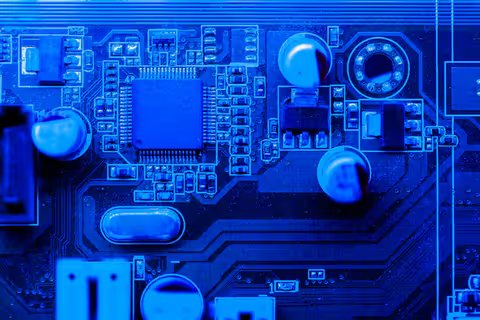
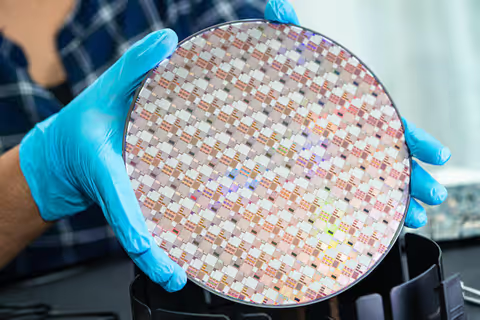
Out of sight, old gadgets pile up - phones, laptops, broken tablets. Hidden within? Tiny chips that make them work. These pieces live deep in circuitry, doing quiet jobs. When tossed aside, they turn into a growing heap no one planned for.
Out of old circuit parts comes gold, silver, copper - careful handling pulls these out without mess. Step by step, hidden resources escape disposal through precise steps.
Examples of electronic products containing semiconductors include:
- Smartphones
- Tablets
- Computers
- Televisions
- Automotive systems
- Industrial equipment
- Networking devices
Out here, handling old electronics means gathering them first. Sorting comes next, breaking items into types by hand or machine. Recycling kicks in once materials like metal or plastic get pulled out. Processing follows, turning scraps into reusable forms. Getting rid of what can’t be reused happens safely, keeping harm low.
Electronic Waste Growth Overview
The amount of electronic waste has increased significantly over the past decade due to:
- Shorter technology replacement cycles
- Increased device usage worldwide
- Rapid innovation
- Growth in connected devices
- Expansion of consumer electronics
Shown below are typical kinds of discarded electronics
E Waste Categories and Examples with Semiconductor Levels
Some of these items hold materials meant to last, waiting to be reused later. Repeated use hides inside what we often toss aside without thinking twice.
Why Recycling Chips and Old Electronics Matters
Environmental Protection
Hidden inside old electronics, some materials need careful disposal. When recycling is done right, nature takes less of a hit - trash piles shrink too.
Resource Conservation
Electronic devices contain materials such as:
- Copper
- Gold
- Silver
- Silicon
- Aluminum
- Rare earth elements
Using what we already have means less need to dig up fresh supplies.
Reducing Waste Volume
Fewer gadgets get tossed out when oversight works well. Systems handle e-waste better if procedures stay tight. Oversight cuts clutter in trash streams by keeping track. Waste flows shrink where rules are clear and followed. Devices find reuse paths more often under steady control.
Supporting Circular Technology Systems
Old things get another turn when we recycle, turning what once worked into something new instead of tossing it out right away.
What Happens When Old Chips Get Recycled
Collection and Sorting
Out here, old gadgets get pulled from homes, offices, and drop-off spots. Piles of broken tech start stacking up once people hand them in. From there, stuff moves into sorting - no second thoughts. Each batch gets checked before the next move kicks in. Nothing stays still for long after pickup happens.
After that, sorting happens based on these factors
- Device type
- Material content
- Component structure
- Processing requirements
Material Recovery
Inside electronics, many levels and substances are packed together. Yet during cleanup steps, valuable parts get pulled away from what's tossed out.
Recovered materials may include:
- Precious metals
- Plastic materials
- Glass
- Silicon materials
- Conductive metals
Component Processing
Fine details inside semiconductor components demand careful handling, since their design is intricate. Though small, these elements shape how the whole piece performs over time.
Safe Handling Procedures
Handling some electronics demands caution when recycled - so soil and water stay safe. A single misstep could spread hidden toxins. These parts break down differently than regular trash. Without proper steps, poisons slip into nature slowly. Mistakes here echo beyond the disposal site. Care today blocks harm tomorrow. Each component carries its own risk if ignored.
Inside Semiconductor Recycling
The recycling process generally follows several stages.
Step 1: Collection
Pickups happen by plan, with electronics moving into set channels for gathering. Systems guide each step, sorting items where they need to go.
Step 2: Inspection
From each device, parts that can be reused get sorted first. Condition decides what comes next after inspection begins. Some go straight for recycling once labeled properly.
Step 3: Dismantling
Products are disassembled into smaller sections.
Examples include:
- Circuit boards
- Chips
- Batteries
- Wiring
- Metal components
Step 4: Separation
Mechanical and specialized techniques separate materials.
Methods may include:
- Magnetic separation
- Shredding
- Optical sorting
- Density separation
Material Recovery Step Five
From these resources, parts get pulled out so they can be used later in making things.
Tools and methods in e waste handling
Several methods help improve recycling efficiency.
Mechanical Processing
Shattered gadgets get pulled apart by machines, then split piece by piece. Sorting kicks in once chunks are small enough to handle one by one.
Chemical Recovery Methods
Chemicals carefully pull metals out of old electronics. One step at a time, materials break apart under close watch. Hidden inside bits and pieces, metal waits for slow reactions to free it. These methods guide change without rushing. What stays behind gets sorted later. Each stage works quietly toward separation.
Automated Sorting Systems
Machines that learn can spot differences in stuff when they work alongside gadgets that sense changes. Stuff gets sorted better now because smart software pairs up with tools that feel, hear, or see shifts around them.
Data Tracking Systems
Finding ways to track old electronics gets easier when digital tools step in. These systems watch each phase of recycling closely. Movement through processing points shows up clearly on screens. Details shift smoothly from one checkpoint to the next. What happens to devices stays visible throughout the journey.
Latest Trends in Semiconductor Recycling and Electronic Waste Management 2025 2026
Out of nowhere, changes start tipping how e-waste gets handled. Shifts pile up without warning, nudging the sector off old paths.
AI-Assisted Sorting Systems
Out there, smarter algorithms now sort through e-waste with sharper precision. These systems learn patterns others miss, pulling apart components once hard to distinguish. Little by little, old devices get broken down faster than before. Hidden bits inside gadgets reveal themselves more clearly under digital inspection. Over time, what used to blend together gets pulled into separate streams.
By looking at how devices behave, these setups spot tiny differences to sort more accurately. A closer eye on signals helps tell them apart with fewer mistakes.
Focus on Circular Economy Models
From fashion to tech, companies now build habits around giving old materials new life. Instead of tossing things out, they find ways to renew them. Some reshape broken parts into working ones again. Others pull useful pieces from what’s been discarded. This shift isn’t sudden - small steps added up over time.
Semiconductor Production Environmental Initiatives
Technology organizations increasingly evaluate methods for reducing production waste and improving material efficiency.
Research on Better Ways to Recover Materials
Still digging into better ways to pull scarce elements out of old electronics. Scientists test new paths for reclaiming valuable bits hiding inside gadgets. Finding smarter routes to harvest uncommon stuff from broken tech remains a steady quest. Some now look closer at how leftover parts might give up their rare contents. Progress creeps forward in untangling tough-to-reach materials woven through devices.
Smart Tracking Technologies
Fresh eyes on data flow when tech tracks materials through reuse channels. Machines tag items so movement shows up clear down the line.
common mistakes and important considerations
Out of sight, electronic trash piles up without clear rules. Yet people often ignore warnings about its growth. Still, handling it right means knowing what's at stake. Because mistakes slow everything down. Even small errors add up over time.
Improper Disposal
Faulty gadgets tossed in everyday bins can harm nature. Trash-bound devices sometimes leak harmful stuff into soil and water.
Ignoring Data Security
Most gadgets store private data - clear it first. Before tossing anything, wipe out what belongs to you or your team. Stuff inside can leak if not cleaned right. Get rid of files gently but fully. Old tech might hold records better left behind. Handle each piece like it matters - because it does.
Lack of Material Separation
Mixed waste streams can make recycling more difficult.
Limited Public Awareness
Most folks never learn what to do with gadgets once they’re done using them.
Complex Device Design
Fitted together like puzzle pieces, today's gadgets pack parts so close that pulling data back becomes a struggle.
Problems With Recycling Computer Chips
Problems still pop up now and then across this area. Not every issue has faded away just yet
- Complex electronic structures
- Increasing device diversity
- Material recovery limitations
- Collection system gaps
- Growing electronic consumption
Fixing these issues depends on steady progress in tech, along with wider understanding growing over time.
Conclusion
Out here, pulling useful materials from old computer chips ties into how we handle tech trash today. With more gadgets in circulation than ever before, what happens after they stop working matters a lot now.
From old gadgets, bits get pulled back into use - less harm shows up in nature because of it. Machines that think a little on their own now sort through discarded tech faster than before. Smarter routines keep popping up, changing how we deal with what people throw away. What once vanished in landfills finds new life elsewhere. Progress creeps in quietly, shifting the whole rhythm behind e-waste cleanup.
Finding how these systems work opens a clear view on what tech might become, while also shaping smarter ways to handle materials.