Semiconductor Industry and Renewable Energy Integration: Understanding the Future of Sustainable Technology
The Semiconductor Industry and Renewable Energy Integration has become an important topic as countries and industries focus on cleaner energy systems. Semiconductors are small but essential components used in electronic devices. They help control and manage electricity in products ranging from smartphones to advanced energy systems.
Out in the open, sunlight and breezes keep moving - now they’re being tapped more than ever. Still, making that power useful means keeping it steady through clever handling and changeovers. Hidden inside all of this? Tiny chips doing heavy lifting without applause.
Electronics rely on tiny materials that make clean power possible, showing one way tech links to greener solutions. A key piece inside solar panels works because of these substances, quietly bridging gadgets and Earth-friendly progress. Without them, turning sunlight into electricity would struggle to keep up. These components shape how devices handle energy today, often unseen but essential behind the scenes.
semiconductor industry meets renewable energy
Electrical currents get managed by tiny parts made through advanced material science work. Power comes into being when nature's forces - sunbeams, breezes, moving rivers - are put to use instead of fuel burning.
When sunlight powers a panel, tiny materials inside help turn that light into usable electricity. These materials work better when built using advanced methods from physics and engineering. Without such precise control over how electrons move, the whole system slows down. Efficiency jumps up once smart design meets clean energy goals. Progress in one area often pulls the other forward too.
Examples include:
- Solar power systems
- Wind turbines
- Battery energy storage systems
- Smart electrical grids
- Electric transportation systems
Energy gets changed, handled, moved through systems - semiconductors make that happen. They shape how power flows during operation.
Basics of Semiconductor Technology
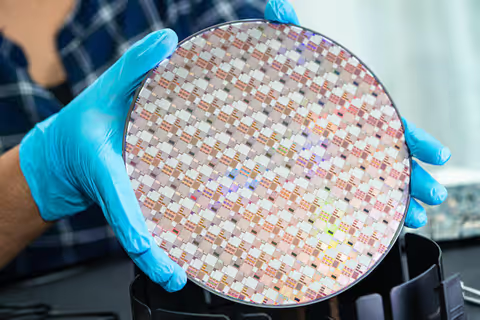
Electrical traits of semiconductors sit right in the middle - between what lets current flow easily and what blocks it entirely. Out of all choices, silicon shows up more than any other when building these materials.
Common semiconductor devices include:
Power Semiconductors
Electricity moves through power systems thanks to tiny switches inside chips. These small parts manage flow while changing current forms across grids.
Examples:
- Diodes
- Transistors
- Power modules
Integrated Circuits
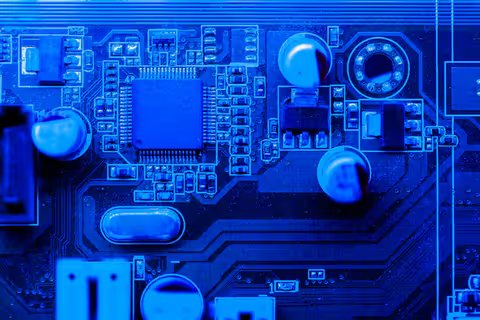
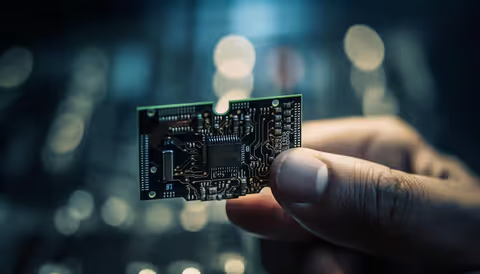
A tiny chip holds countless parts working together inside. Inside one compact piece, numerous bits join to make electronics run.
Computers handle data while keeping operations running smoothly. Functions get sorted through constant adjustments behind the scenes.
Sensors
Fresh readings show heat levels, power flow, then surrounding factors across green energy setups. Devices keep track of warmth, electric pressure, followed by outside changes inside sustainable networks. Monitoring tools catch shifts in thermal states, current strength, along with air qualities throughout clean power stations.
semiconductors meet renewable energy
Funny how sunshine and wind decide what power shows up each day. Machines that run on nature's moods never follow a strict schedule. What works at noon might fail by dusk. Weather throws curveballs when least expected. Output shifts without warning. Some days everything flows, others stall completely.
For example:
- Solar panels generate electricity during daylight.
- Faster gusts shape how air moves across regions. Sometimes slower breezes change patterns too.
- Energy demand changes throughout the day.
When conditions shift, semiconductor tech adjusts things quietly behind the scenes.
Benefits include:
- Improved energy efficiency
- Better energy conversion
- Reduced power loss
- Smarter energy monitoring
- More stable power distribution
Fueled by sunlight, these tools help stretch clean energy further. While they adapt quickly, their real strength lies in simplicity. Not every system works this way, yet most follow similar patterns. With steady input, results become more predictable over time.
Semiconductors in Solar Panels Wind Turbines Energy Storage Smart Grids Power Conversion
Sunlight turns into electric current through gear that reshapes raw output. Tiny materials inside handle how fast or slow energy moves during shifts. When wind spins blades, electronics decide when to adjust angles. Circuits keep watch on rotation speed without constant human input. Networks balancing supply lean on silicon pieces tracking live demand changes. Signals pass through embedded tech deciding where voltage goes next. Batteries rely on parts that step in when charge levels rise too high. Switching units step between inputs so overflow does not build up. Cars powered by electrons depend on blocks routing juice under pressure. Inside them, layered components guide movement based on driving patterns.
Out of nowhere, chips help shape today's power networks. How things connect shows just what silicon can do behind the scenes. A quiet link exists where tiny circuits meet big electrical flows.
Renewable Energy Systems Rely on Semiconductors
Renewable energy systems involve several stages where semiconductors contribute.
Energy Generation
Sunlight powers one kind of system. Another type moves when air flows past it. Each turns natural forces into electricity.
Pieces of special rock grab power from nature, turning it into electric juice we can actually use.
Energy Conversion
Most of the time, electricity must change form once it is made.
Power semiconductors:
- Change voltage levels
- Convert alternating and direct current
- Reduce energy loss
Energy Storage
Battery systems require intelligent control.
Semiconductors manage:
- Charging cycles
- Temperature regulation
- Battery protection
Distribution and Monitoring
Smart grid systems use sensors and integrated circuits to:
- Monitor demand
- Balance energy supply
- Improve grid stability
semiconductor materials in renewable energy
Some semiconductors work better in certain situations. Their unique traits fit particular tasks well.
Silicon
Even today, silicon sticks around simply due to how dependable it is along with long-standing production methods.
Used in:
- Solar cells
- Integrated circuits
- power devices
Silicon Carbide (SiC)
Heat-resistant silicon carbide handles intense voltage jobs well. High demands meet their match in this tough material.
Applications include:
- Fast charging systems
- Energy conversion devices
- Renewable power systems
Gallium Nitride (GaN)
Smaller power gadgets? That happens when gallium nitride steps in. Efficiency jumps without needing extra space. Tiny builds come alive through its properties. Room shrinks but performance holds strong. Design freedom grows because of how it handles energy.
Common uses include:
- Energy management systems
- High-frequency applications
- Compact power electronics
Fresh substances push chip limits further every year. Still, tiny shifts in structure make big differences down the line.
semiconductor advances meet renewable energy shifts
Still, changes keep shaping how things work now. What happens next depends on these shifts slowly unfolding across companies.
Growth Of Wide Bandgap Semiconductors
These days, materials like silicon carbide grab notice - thanks to how well they handle power. Gallium nitride also stands out, simply by cutting down waste when electricity moves through it.
These materials can operate under:
- Higher temperatures
- Greater voltages
- Faster switching speeds
AI in Power Networks
AI technologies increasingly support smart energy management.
Semiconductor chips help process:
- Real-time data
- Predictive maintenance information
- Grid optimization functions
Smart Grid Expansion
Smart grids continue developing in many regions.
Semiconductors help improve:
- Communication
- Automation
- Energy balancing
Energy Storage Advancements
Battery technologies continue evolving.
Better chips make power banks run smoother, while also cutting risks. Storage lasts longer when tech inside gets smarter, yet keeps things stable under pressure.
Shared Factors in Chip Making and Solar Power Tech
Even so, putting things together brings benefits but needs careful thought. Still, a few points must be considered before moving forward. Yet, gains come alongside some challenges worth noting.
Supply Chain Complexity
Fabricating chips moves through several phases, using various substances along the way.
Possibility of shifts worldwide could shake up access. Availability might shift when global flows change.
Energy Use in Making Things
Fuelled by heavy power demands, making chips pulls large amounts of raw materials. Equipment runs constantly while drawing intense electricity loads across sprawling facilities.
Fresh moves across sectors now tilt toward greener paths. While some shift gears slowly, others leap ahead quietly behind the scenes. Yet each step nudges habits a little closer to earth-friendly rhythms.
Technology Compatibility
Folks using renewable setups often face shifting gear types along with how things run day to day. Equipment choices shape performance just as much as how they’re managed over time.
Working well with different tech still matters a lot. Sometimes pieces fit together easily, other times they do not. Smooth connections make things run better in the long term.
Heat Management
Heat comes off power semiconductors while they work.
Fans moving air slow down heat buildup. Well-placed vents let hot spots escape fast.
Future Outlook
As time moves forward, links in chip tech and green power look set to deepen. Not just now, but ahead too - progress ties them tighter through shared needs.
Future developments may involve:
- More efficient energy systems
- Advanced smart grid technologies
- Improved battery performance
- Smaller and faster electronic devices
- Enhanced automation capabilities
Fueled by growth in renewables, new chip tech may still shape how power systems evolve. Though clean energy spreads, breakthroughs in semiconductors might quietly steer what grids can handle.
Conclusion
Out of today’s tech needs comes a quiet partnership - chips meeting solar and wind power. Where circuits once only lived inside computers, they now shape how sunlight turns into electricity. Efficiency finds new ground when tiny electronic parts manage power flow across green grids. Instead of just moving data, semiconductors handle heavy loads in inverters and batteries. Hidden behind panels and turbines, these materials make modern energy possible. Their role grows as renewables demand smarter control. From deserts to rooftops, silent switches keep supply steady.
Out here, solar setups team up with intelligent power networks - better handling of electricity flows follows. Still, progress pushes further; semiconductors link tightly with green energy gear, shaping how we tap into power down the road.