Careers in Semiconductor Industry: Skills, Roles, and Industry Trends Explained
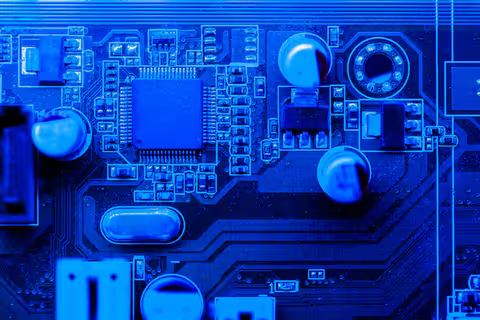
The semiconductor industry plays an important role in modern technology. Semiconductors are materials used to create electronic components such as microchips, processors, memory devices, and sensors. These components are found in smartphones, computers, vehicles, medical equipment, industrial systems, and communication networks.
Nowhere else has seen such a surge in job interest as the chip-making world, simply because it powers what's next - think smart machines, self-driving cars, data hubs, or factories that run themselves. With more gadgets entering daily life by the day, roles tied to tiny circuits stay central across building, testing, creating, refining, and moving tech parts worldwide.
This piece covers what you need to know about working with semiconductors. It walks through typical jobs people find in the sector. Instead of just listing roles, it shows how careers often unfold over time. Skills matter here - some are technical, others grow on the job. Because technology shifts quickly, staying aware helps more than sticking rigidly to old methods. Trends shape which abilities stay useful and where opportunities open up. Anyone thinking about joining should weigh personal fit along with market needs.
Inside the semiconductor world
Inside labs, scientists explore materials that carry tiny electric signals. Designs take shape through careful sketches turned into physical chips. Factories build these pieces using layers of special elements stacked precisely. Each unit faces checks to confirm it works before leaving secure facilities. Distribution moves them quietly across borders where devices wait patiently.
Most semiconductors start with elements like silicon. Because they manage how electricity flows, devices rely on them quietly behind the scenes. Their behavior shifts when exposed to heat or light, which helps fine-tune performance in gadgets we use every day.
Major Areas Within the Industry
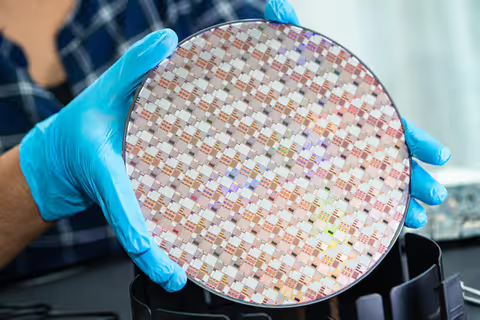
Tiny blueprints shape how circuits fit on silicon squares. Then machines carve patterns onto thin shiny disks made of sand stuff. Machines check every piece carefully so nothing runs too slow or breaks fast. Once tested, each unit gets wrapped up like a tiny gift for safe travel. Smart people dream up new ways to make parts faster, smaller, stronger. Trucks, planes, ships move supplies across borders without delays piling high.
Careers in the Semiconductor Industry Have Impact
From healthcare to transport, chips inside devices keep things running. When those tiny parts fail, entire networks can stumble.
Industries Relying on Semiconductors
- Consumer electronics
- Automotive systems
- Telecommunications
- Healthcare devices
- Aerospace technology
- Industrial automation
- Renewable energy systems
When these industries get bigger, more workers who understand semiconductors are needed. Growing fields mean rising demand for people skilled in chip technology. With every step forward, expertise in semiconductors becomes harder to do without. Expansion pushes companies to seek out those familiar with electronic materials. More activity means a stronger pull for know-how in tiny tech components.
Jobs in the Semiconductor Field
Some jobs fit your skills, others match what you studied - interests narrow it down. A path often follows training, sometimes shifts with curiosity. Where knowledge points, roles open up. Background shapes choices, yet preference pulls in different directions. Education guides, but passion adjusts course. Options spread out when tech skill meets personal aim.
Semiconductor Design Engineer
Out of sketches and simulations, design engineers shape integrated circuits and processors. From early models forward, these professionals rely on special software to build chip layouts while checking how well they run.
Common Responsibilities
- Circuit design
- Hardware modeling
- Simulation testing
- Performance optimization
Process Engineer
Working out how chips are made is what process engineers do. Improving how fast things get built happens when they step in. Quality stays steady because of their work.
Key Tasks
- Monitoring fabrication processes
- Managing equipment performance
- Reducing manufacturing defects
- Supporting production optimization
Test Engineer
Test engineers evaluate semiconductor devices before they are released for use.
Responsibilities Include
- Functional testing
- Reliability analysis
- Debugging hardware issues
- Data analysis
Equipment Engineer
Machines inside chip factories never run down without someone watching closely - equipment engineers handle every twist and glitch. When tools slow or stumble, these specialists step in, adjusting gears, updating systems. Not just fixing, but reshaping how hardware behaves over time. Their work keeps production lines moving, quietly, constantly. Precision runs through each task they touch.
Materials Scientist
Starting with tiny building blocks, researchers explore how certain substances carry electricity better. These experts dig into ways of making tech last longer while working more smoothly. Instead of just focusing on speed, they look at how stuff holds up over time. Through careful tests, progress creeps forward in powering modern devices. Each step uncovers tweaks that boost performance without extra cost.
software and automation specialist
Out of code comes control - machines learn their tasks through programs built by automation experts. These tools run inside chip production labs where precision matters most. Step by step, each test unfolds under digital guidance shaped by careful design. Not every system behaves the same; adjustments happen quietly behind the scenes. Through repeated cycles, consistency emerges from smart scripting work.
Educational Background and Skills
Few jobs in chip making skip tech training, yet what you need changes depending on the position.
Common Academic Fields
- Electrical Engineering
- Electronics Engineering
- Computer Engineering
- Materials Science
- Physics
- Mechanical Engineering
- Computer Science
Important Technical Skills
Building circuits matters when making chips. Because it helps shape how devices work. Writing code plays a role in running tests automatically. It also links to managing equipment safely. Looking at data can reveal flaws in manufacturing. Which leads to better results over time. Knowing how semiconductors behave is key. Since materials respond differently under stress. Fixing issues comes up often during development. Especially when systems fail without warning. Special software assists designers before production. So errors are caught early through virtual checks.
Soft Skills That Matter
- Communication
- Team collaboration
- Attention to detail
- Time management
- Analytical thinking
Semiconductor Manufacturing Process
From time to time, seeing how things are made reveals what each person actually does in the field. Not every step is obvious at first glance.
Chip Design Begins
Creating digital circuits, engineers rely on software tools made for design work.
Wafer Fabrication Begins
Fine layers of silicon get shaped inside clean rooms where machines work without pause. Tiny patterns form on round surfaces through steps that repeat with care. These disks slowly become parts able to carry electric signals across devices we use every day.
Step 3: Testing
Freshly made chips go through checks that measure how well they run, also whether they last. Performance is watched closely during trials while durability gets examined just as much.
Step 4: Packaging
Inside tiny cases, chips get ready to live inside gadgets. From there they travel toward devices needing their brains.
Step 5: Distribution
Fresh off the production line, these chips move straight into tech assembly plants.
semiconductor industry trends
Faster changes sweep through chip making, driven by new tech alongside rising worldwide need.
Artificial Intelligence Integration
Running AI needs chips that manage huge data loads without slowing down.
Electric Vehicle Technology
Fitted deep inside today’s electric cars, chips handle how power flows through the system while guiding route choices along the way. These tiny brains also step in when it comes to self-driving actions, making sure everything runs without a hitch behind the scenes.
Advanced Manufacturing Nodes
Fine-tuned chips now take up less space, thanks to smarter engineering behind them. Performance climbs when components shrink yet work better together through clever design shifts.
machines building things in factories
Machines that work on their own now help factories make things more accurately while getting more done. Though once rare, robotic helpers have slowly taken over tasks where tiny mistakes matter most.
Sustainable Manufacturing Practices
Finding ways to cut power use is on the minds of many companies now, while they also rethink how things are made to ease up on nature. Some shift gears slowly, others jump fast - yet most agree cleaner methods matter more than before.
work environment semiconductor industry
Some jobs mean long hours inside an office. Others might send you outdoors no matter the weather. Where you end up working changes fast once duties shift. A desk today could turn into a warehouse tomorrow. Location ties closely to what tasks are needed.
Office-Based Roles
Out front, design engineers shape ideas while labs host their tests. Software folks tap keys in quiet rooms where screens glow late. Research pros dig into data between meetings and coffee runs.
Manufacturing Facility Roles
Folks who build things alongside those handling machines often find themselves inside spotless rooms where rules about staying safe are tight. Safety comes first when working with gear used to make products in these dust-free zones.
Collaborative Teams
Working on chip-making often means engineers team up with researchers, while analysts share insights alongside those running daily tasks.
Challenges and Considerations
Even so, jobs in chip making might offer cool science tasks, yet they come with drawbacks worth thinking about.
Rapid Technological Changes
New tools appear fast, so staying sharp means always learning something fresh. Skills grow only when practice never stops.
High Precision Requirements
Faults as tiny as a grain of dust may disrupt the making of computer chips. Production lines move through steps so precise that even slight missteps change outcomes.
Competitive Industry Environment
Staying ahead often means sharpening skills - fresh insights help too. For experts, keeping up isn’t optional; it follows where change leads.
Global Supply Chain Influences
Facing global networks, chip makers find delays ripple through every step. When one link slows, supplies stall just behind.
What Semiconductor Jobs Might Look Like Later
Looking ahead, jobs in semiconductors still tie closely to how fast digital tech moves forward.
Out here, where machines learn on their own, the need for tiny chips grows stronger every day. Cloud networks that stretch across continents rely heavily on these small parts too. Moving people without gas means vehicles packed with complex electronics. Gadgets that respond before you ask? They run deep on silicon magic. Even how we talk to each other now depends more than ever on what happens inside microscopic circuits.
Funding flows into chip science, factory upgrades, one training program at a time - led by national authorities alongside tech groups across multiple nations.
When devices weave deeper into daily routines, skills in chip making stay useful in many fields. Though tools evolve fast, understanding tiny electronics still matters widely.
Conclusion
From designing tiny chips to running complex labs, jobs in semiconductors touch everything that powers today's gadgets. Work happens on factory floors just as much as in quiet labs where new ideas take shape slowly. Machines hum while engineers tweak systems that keep production moving without pause. These parts link tightly inside phones, cars, medical tools, and computers we rely on daily. Progress here feeds progress everywhere else - quietly, constantly.
What drives the semiconductor world? Skills needed, job routes, market shifts - these shape how people grasp its role. This field stays central to tech worldwide because of constant change. Its inner workings become clearer when you study who works inside it.
Staying ahead means picking up new skills over time - especially when you work with semiconductors. Knowing the ins and outs of tech helps, yet being flexible matters just as much. Change happens fast here, so adjusting without delay becomes a quiet strength. Those who keep learning tend to stay steady amid shifts others find rough.