Semiconductor vs Conductors: Guide to Key Differences, Working Principles, and Practical Uses
Electricity powers almost everything around us, from smartphones to home appliances. But have you ever wondered how materials control the flow of electricity? This is where semiconductors vs conductors becomes an important concept.
Current moves through both kinds of stuff, yet each acts in its own way. Knowing what sets them apart makes it clearer why gadgets like phones, factories, and laptops run the way they do.
Starting fresh might feel odd, yet this guide lays things out so anyone can follow along. A beginner finds clarity without effort because ideas come one at a time.
Semiconductor and Conductor Basics Compared
What Are Conductors?
Electricity slips through conductors without much resistance. When voltage shows up, loose electrons inside start shifting around. These materials pack plenty of roaming charges ready to go.
Common examples:
- Copper
- Aluminum
- Silver
Copper and aluminum show up everywhere inside walls and devices. Wires made from them carry power quietly through homes. Circuits rely on these metals because they move electricity well. Their role stays hidden but never disappears from modern setups.
What Are Semiconductors?
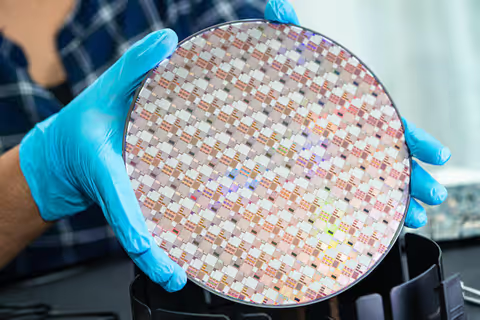
Between metals and non-metals in behavior sit semiconductors - materials whose flow of electric charge shifts when touched by heat, brightness, or added elements. What they let through isn’t fixed; it bends with surroundings.
Common examples:
- Silicon
- Germanium
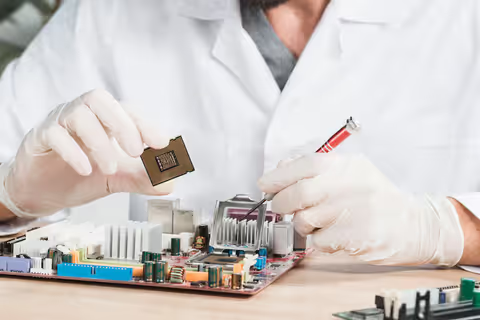
Inside phones and computers, tiny parts called semiconductors make everything work. These pieces help control how electricity moves through gadgets such as microchips. Without them, transistors wouldn’t be able to switch signals on and off quickly.
Semiconductor Versus Conductor Importance
Understanding the difference between semiconductor vs conductors is important for several reasons:
- Helps explain how electronic devices function
- Modern tech grows because of it
- Enables controlled flow of electricity in circuits
- Beyond wires, signals shape how phones connect. Machines think faster when data flows without delays. In labs, timing decides whether systems sync right. Speed matters most where seconds split success from stop
- Metallic ConductorsMade of metals like copper and silver
- Used in electrical wiring
- Electrolytic ConductorsConduct electricity through ions in liquids
- Batteries hold it, also some reactions between substances. It shows up where energy moves through charged particles
- Intrinsic SemiconductorsPure form (e.g., pure silicon)
- Limited conductivity
- Some semiconductors carry extra particles on purpose - this helps move electricity better. Tiny bits are added so the material passes current more easily than before
- Two types:
- N-type (extra electrons)
- P-type (holes or missing electrons)
Fine-tuned gadgets like chips or detectors? They’d vanish if it weren’t for tiny silicon helpers tucked inside. Without those slivers of material guiding electricity, none of the smart gear we rely on could function at all.
How Semiconductors Differ From Conductors
Feature Conductors Semiconductors. Conductivity High Moderate. Free Electrons Many Few controlled. Temperature Effect Resistance increases Conductivity increases. Energy Gap Very small or none Small energy gap. Examples Copper Aluminum Silicon Germanium. Usage Wiring transmission Electronics chips circuits.
A glance at this layout shows how they differ, laid out plainly.
types features key aspects
Types of Conductors
Types of Semiconductors
How It Works Process
How Conductors Work
In conductors:
- Electrons move freely within the material
- With voltage added, electrons start moving without much resistance
- Electric current flows more freely when resistance drops nearly to nothing
Few materials move energy as smoothly across space - conductors make that possible without losing strength along the way.
How Semiconductors Work
Semiconductors behave differently:
- What flows through them depends on how they're adjusted
- Throwing in impurities alters how a material conducts electricity
- Heat or sunlight might make materials carry electricity better. Sometimes warmth helps electrons move more freely. Light hitting a substance could boost its ability to conduct. Depending on conditions outside, flow of current may improve. Changes in environment often play a role behind the scenes
Because they can be controlled, semiconductors work well inside parts of electronics like
- Diodes
- Transistors
- Integrated circuits
- Chips keep shrinking. Tiny ones now pack a stronger punch. Size drops while power climbs. Little by little, they fit more into less space. Efficiency grows without taking up room. These tiny parts push performance further. Power surges happen inside smaller shells. Progress hides in ever-smaller designs
- Materials now go past silicon. Gallium nitride steps in where older types fall short. This shift happens slowly, yet it sticks. Performance climbs without shouting about it. Efficiency shows up in places you might not expect. The change feels quiet but runs deep
- Energy-efficient electronicsFocus on reducing power consumption
- As machines learn faster, tiny chips handle the heavy lifting behind smart software. When computers mimic human thinking, silicon parts power those decisions quietly. With more robots doing tasks once done by people, small electronic pieces become essential workers. Behind every clever algorithm, hardware works without praise or notice
- Power from the sun and wind now runs more cars on electricity. Chips once only inside computers help manage that power today
- Most people think semiconductors work just like metal wires. Not true - how well they carry current depends on conditions. Their behavior changes based on outside factors
- Heat changes things. Wires act one way when hot. Materials like silicon behave another. Temperature shifts alter how easily electricity moves through metals compared to crystal-based parts. Warmth slows down some flows. It speeds up others. The core response splits along material lines
- Some mix up semiconductors with materials that block electricity. Sitting not quite like metals, yet far from full blockers - they hold a middle spot
- Ignoring dopingDoping matters because semiconductors won’t work right without it
recent changes and updates
Now things move fast in semiconductors because tech keeps getting more complex. Progress here doesn’t wait - pressure builds as new devices need smarter materials. What once felt slow now races forward since innovation pushes harder every year.
Recent Trends:
Even though conductors still matter a lot, attention leans toward semiconductors - flexibility pulls interest their way. A shift happens quietly, guided by what materials can actually do when pushed.
common mistakes and things to consider
Most folks mix up some details when they start comparing semiconductors and conductors: sometimes it's the basics that trip them up
Common Mistakes:
Important Considerations:
- What you pick for material hinges on how it will be used
- Conductors are best for power transfer
- Most times, chips handle tasks like managing data flow. These materials switch roles fast when needed. Handling signals well is where they really shine
- Environmental factors can affect performance
Conclusion
Electricity behaves differently depending on the material it moves through - this shows why some substances work better than others. Wires rely heavily on materials that let electrons pass without much resistance, which is exactly what metals do. Unlike those, certain elements only permit limited movement unless specific conditions change their behavior. Devices like phones or computers depend on these special materials because they can switch states when needed.
One reason people grasp electronics better is by seeing how each material behaves differently. What matters most? These substances work in tandem, making modern gadgets possible. Their combined actions power everything from lights to phones, quietly shaping daily routines.