Semiconductor Testing Methods: A Complete Guide to Techniques and Processes
Semiconductors are essential components in modern electronics, powering devices like smartphones, computers, and vehicles. However, before these tiny chips are used in real-world applications, they must undergo strict testing to ensure reliability and performance.
Testing chips helps find flaws, check performance, makes sure they meet rules. With gadgets getting smarter, doing tests right matters more than before. What follows covers what you need to know - kinds of checks, how it’s done, steps involved, new shifts - all put plainly.
semiconductor testing methods overview
Not every chip works right away - each one must prove itself through checks along the way. From early builds to near-final forms, evaluations happen where flaws might hide. Running these steps helps spot weak spots before things go further. Performance and endurance get measured so only capable units move ahead. Specifications act like targets; passing means landing close enough.
Key Objectives:
- Identify manufacturing defects
- Ensure electrical performance
- Verify design functionality
- Improve product reliability
Fine checks often happen with unique gear like robotic testers, sensors, or devices that track results. Equipment varies but each tool helps spot what needs fixing.
Why Semiconductors Need Testing
Faulty chips might slip through if checks aren’t strict enough. Testing matters because broken devices often start with unseen flaws deep inside tiny circuits.
Key Benefits:
- Quality Assurance: Ensures chips meet design standards
- Reliability: Reduces chances of malfunction in devices
- Finding problems fast cuts waste before it grows. Early warnings save money by stopping errors on the line. Spotting flaws up front means less spending later down the road
- Checking how fast it runs. Makes sure energy use matches expectations. Works exactly as needed. Speed gets tested first. Power draw stays within limits. Functionality comes last on the list
When gadgets shrink while gaining complexity, checking each one keeps standards steady during mass manufacturing. Though tiny, their performance stays reliable because close monitoring happens throughout huge output runs.
Common Ways Chips Are Tested
Testing chips happens several times throughout production. Because every stage checks something different, flaws get caught early. Chips move forward only when they pass each step. Quality depends on these repeated validations.
1. Wafer Testing Probe Testing
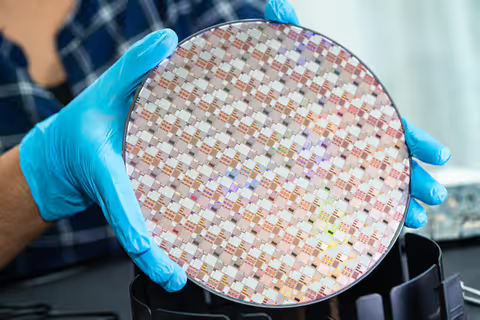
Right now, tests begin even before slicing the chips off the wafer.
- Uses probe needles to check electrical signals
- Identifies defective dies early
- Before packaging, money stays put because broken chips get caught early - slips through less often when screens do their job up front
2. Package Testing
Once sealed in their casing, each chip gets checked again.
- Checks how well it works once packed
- Detects issues caused during assembly
- Ensures connectivity and performance
3. Final Testing
Only one step remains before sending out the chips.
- Confirms full functionality
- Measures performance under different conditions
- Fits exactly what was outlined. Meets every detail without exception. Stays within set limits by design
4. Burn-In Testing
Burn-in testing checks long-term reliability.
- Heat hits the chips while voltage pushes through them
- Identifies early-life failures
- Improves durability and lifespan
- Creating test designs happens when engineers build programs around how a chip is made
- Wafer InspectionInitial checks for physical and electrical defects
- Probe TestingElectrical signals are tested using probe cards
- PackagingChips are enclosed in protective materials
- Functional TestingChips are tested for real-world operation
- Testing happens under tough conditions, such as extended run times. These trials check how well systems hold up when pushed beyond normal limits
- Every chip must work perfectly before it goes further
Comparing Key Methods for Testing Semiconductors
Early checks happen on wafers before anything gets sealed. That step spots flaws fast, so less material gets tossed later. Once chips are packed, another round confirms if parts fit right together. This makes sure signals move properly through each unit. Just before leaving the facility, every piece runs through a complete check. The goal is clear: only working units make it out. Some devices go under stress for hours to reveal hidden weaknesses. Time spent here means fewer problems showing up down the road.
Inside Semiconductor Testing
Testing chips takes several stages along with specialized equipment. Automation handles high workloads without slowing down.
Step-by-Step Process:
Step by step, machines handle tasks faster without losing precision.
new ways of testing semiconductors
Faster changes in chips push test techniques to adapt, yet every update brings different challenges. New tools emerge not because of trends but due to real shifts in how devices work.
1. Advanced Automated Testing
Faster checks on intricate circuits come alive through automated routines. Precision climbs when machines take over repetitive tasks.
2. Artificial Intelligence Meets Machine Learning
Pieces of software that think like people can go through exam results, spotting where errors tend to repeat themselves.
3. Testing Smaller Nodes
Smaller chips - think nanometers - push testing to its limits, demanding far greater accuracy. Precision steps up when tiny circuits dominate the design scene. With dimensions dropping fast, old methods fall short in spotting flaws. Testing tools must adapt quickly once feature sizes dive into ultra-fine ranges. Tiny structures mean even tinier errors can slip through unnoticed.
4. System-Level Testing
Testing whole systems happens instead of checking single chips, because it mimics how things work out in actual use.
5. Energy-Efficient Testing
Some work focuses on cutting energy used when running tests. Ways to lower electricity happen as checks go forward. Reducing how much juice gets pulled comes up each time trials occur. Less demand on power shows up while systems get examined. Cutting back on usage appears alongside exam routines.
common mistakes and things to consider
Even though chip testing has become very sophisticated, some errors still slip through. A single oversight might throw off an entire batch of readings.
Common Issues:
- Some situations aren’t checked by tests. A few cases slip through without being verified. Not every path gets examined during runs. Gaps remain where checks should exist. Certain flows stay untested by design or oversight
- Too much testing raises expenses while adding little value
- Incorrect Test Setup: Leads to inaccurate results
- Outcomes might shift when temperature steps in. Humidity tags along, quietly changing results. Weather plays a role, even if unseen. Conditions tweak the picture without asking. What feels normal outside could nudge things off track
Important Considerations:
- Balance between cost and test depth
- Regular updates to testing programs
- Use of reliable and calibrated equipment
- Skilled professionals to interpret test data
Fixing these issues leads to better test results while saving time. A smoother process often follows when each step works right.
Conclusion
Testing chips helps make sure electronics work right. Starting at the silicon level, checks happen all along. One flaw missed can change everything later. Quality lives in these steps, not just the finish line.
Faster tools shape how tests unfold - smart software, machine learning, whole-system checks now lead the way. Seeing how they work shows why careful oversight matters when building today’s gadgets.
Out of careful steps comes better results - meeting industry needs without skipping a beat, thanks to steady methods behind every check. Though quiet, these routines carry weight where dependability matters most.