Semiconductor Materials Guide: Types, Properties, and Applications Explained
Semiconductor materials are the foundation of modern electronics. From smartphones and computers to solar panels and medical devices, these materials make it possible for technology to function efficiently.
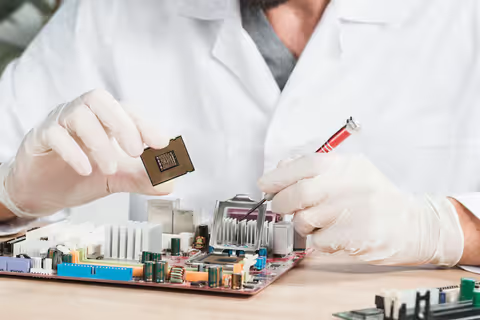
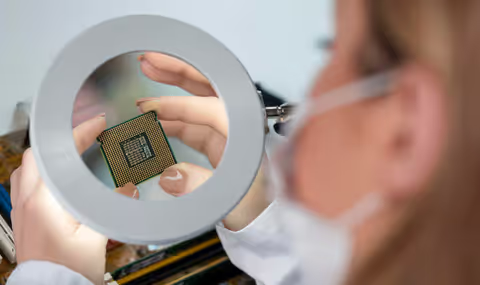
Picture tiny bits inside gadgets that make everything run. These pieces come from special kinds of rock-like stuff called semiconductors. Because they control electricity just right, phones and computers rely on them heavily. Even if science isn’t your thing, knowing a bit about these materials shows how clever our tools really are. While most people never see them, they’re hidden in almost every device we touch daily.
semiconductor materials overview
Not quite metal, not quite rubber - some materials sit right in the middle when it comes to conducting electricity. Depending on the situation, they can switch roles, guiding current or blocking it. Their behavior shifts with changes around them, making them useful where precise control matters.
Key Characteristics
- Moderate electrical conductivity
- Ability to change conductivity with temperature or impurities
- Sensitive to light and heat
- Essential for electronic circuits and components
Out of all choices, silicon stands first among semiconductors - yet materials like gallium arsenide still matter just as much. Though common, it isn’t alone in powering modern electronics.
Semiconductor Materials Matter
What makes semiconductor materials so key? They let us build parts like transistors, diodes - also those tiny integrated circuits. Without them, modern electronics simply wouldn’t exist.
Why They Matter
- Powering today’s gadgets - found inside phones, tucked into laptops, built into everyday household machines
- Energy efficiency: Help reduce power consumption in devices
- Miniaturization: Allow smaller and more powerful components
- Bold steps forward begin by backing fresh ideas in artificial intelligence. Progress shows up when new ways of connecting people take shape. Breakthroughs stick around if they reshape how power gets made. Energy shifts happen not just through machines but by rethinking what fuels tomorrow
Few today’s gadgets could function were it not for substances that bend electricity in quiet, invisible ways.
Types of Semiconductor Materials
Most often, people sort semiconductor stuff into one of three big groups
1. Elemental Semiconductors
One ingredient builds them entirely.
- Found everywhere in tech, silicon stands out. It dominates because of how often it appears in devices. Common? Yes. Used more than others? Absolutely. This material shapes much of what we rely on daily
- Germanium (Ge) – Used in specialized applications
2. Compound Semiconductors
Out of different pieces comes something new when they join. Sometimes it takes just a pair; other times, more must come together. What results isn’t one thing alone but a mix born from connection.
- Gallium Arsenide (GaAs) – High-speed and optoelectronic devices
- Indium Phosphide (InP) – Fiber optics and communication systems
3. Organic Semiconductors
Flexible electronics rely on substances built from carbon. Materials shaped by carbon play a role here.
- Used in OLED displays and wearable technology
- Fine as a feather, yet bends without breaking - unlike the old heavy stuff. Built to move when needed, not sit stiff like yesterday's solutions
Important Features of Semiconductor Materials
Start with how these materials react under different conditions - it shows why they work so well in gadgets. Their ability to change conductivity reveals what happens inside phones or computers. When temperature shifts, their performance shifts too, which matters for design. Not always obvious, but tiny adjustments impact function. What looks like magic is really physics at a small scale.
What sets materials apart is how their electrons behave. A gap between energy levels decides if electricity flows easily. Current moves better in some substances than others. Charges zip through certain structures faster. Heat can shift how a material responds electronically. Adding tiny impurities alters performance in useful ways.
Doping Explained
Out of nowhere, tiny bits get mixed into a material that usually blocks electricity. This tweak lets it carry current more easily than before. Instead of staying stubborn, the substance begins responding to voltage in new ways.
- N-type: Adds extra electrons
- P-type: Creates “holes” (positive charge carriers)
Without this method, making parts such as transistors wouldn’t happen. Though small, these pieces power most modern devices. Their production relies completely on precise steps being followed. Otherwise, function fails right away. Each detail matters just as much as the next.
Inside Semiconductor Materials
Electrons move differently inside these materials because their setup guides how they travel. What happens depends on the way atoms are arranged within them.
Basic Working Principle
- Few electrons move freely through semiconductors when things are calm. Their activity stays low unless something changes around them
- Energy arriving - heat, perhaps light or even a sudden voltage - pushes electrons into motion. They soak it up, shifting faster without warning. Each jolt changes their state, quietly but sure
- These electrons move and conduct electricity
- Doping enhances and controls this flow
Role in Devices
- Flow moves through diodes easily in just a single path. One way only - forward - is how these parts guide electricity. Backward motion gets blocked without exception. Direction matters each time current approaches. Only when aligned properly does movement happen at all
- Transistors: Act as switches or amplifiers
- Integrated Circuits (ICs): Combine multiple components into one chip
What sets semiconductors apart in electronic devices is their predictable response under specific conditions.
Uses of Semiconductor Materials
Fine grains of silicon steer electronics in factories, hospitals, even kitchens. Tiny switches inside gadgets respond when light hits them or heat builds up nearby.
Common Applications
- Fresh off the production line, smartphones fill pockets everywhere. Televisions hang on walls, lighting up dim rooms. Laptops sit open on desks, humming through tasks
- Inside cars, sensors watch what happens around. Control units decide how parts should respond when conditions change. Electric vehicles run without gasoline by using battery power instead
- Renewable Energy: Solar panels and energy storage systems
- Healthcare Devices: Imaging equipment and monitoring systems
- Communication Systems: Fiber optics and wireless networks
From morning alarms to late-night streaming, chips power nearly every moment. Hidden inside devices we touch without thinking, they respond when called. Without fanfare, tiny layers of silicon manage tasks both large and small. Even quiet routines depend on their steady presence. Most never notice them, yet life runs differently without their role.
semiconductor materials trends 2025
Fresh materials shape how chips advance today. Though older methods fade, newer approaches take their place slowly. Chips now rely on substances once thought too tricky to use widely. Change arrives not through sudden leaps but steady steps forward.
Emerging Developments
- Wide Bandgap Materials:
- Popping up in tough tech jobs, silicon carbide (SiC) shares the spotlight with gallium nitride (GaN). While power demands rise, these materials step forward - handling heat and stress better than older options. Not just lab ideas anymore, they’re showing up where performance pushes limits.
- 2D Materials:
- Faster gadgets might come from stuff like graphene, scientists digging into it now because tiny works better. Devices keep shrinking but need speed, that is where these new materials step in quietly replacing old ways without fuss. Research pushes forward simply by testing how thin can go even thinner yet still carry power well.
- Flexible Electronics:
- Flexible gadgets owe their shape to carbon-based materials that conduct electricity. These thin, lightweight layers let tech twist without breaking. Movement-friendly electronics now rely on compounds grown like ink rather than forged in silicon foundries.
- Sustainable Manufacturing:
- Focus on reducing environmental impact during production.
Faster changes in tech keep pushing how devices work, shifting everything from factories to offices. New materials help machines run smoother while using less power, making them smarter over time.
common mistakes and things to consider
Figuring out semiconductor materials often leads to mix-ups. Not everything clicks right away when you're starting out.
Important Notes to Remember
- Some chips work one way. Others do another. Materials shape how they behave. One type might speed things up. Another helps save power. Each substance fits a job. Silicon often runs computers. Gallium nitride handles heavy loads. Choices depend on need. Purpose drives material pick
- Frost nips at speed just as much as scorching rays slow it down
- What you pick matters a lot - shaped entirely by how it will be used
- Exactly right doping matters: tiny shifts might alter results a lot
Funny thing - grasping such details actually clears up why semiconductor setups behave the way they do.
Conclusion
Inside today’s tech lives a quiet helper - semiconductors. What they do best? Adjust how electricity flows, just enough to keep gadgets running. Because of that trait, phones, internet gear, even solar setups depend on them. Not loud, not flashy, but everywhere.
This guide walked through core ideas, kinds, traits, how they work, together with newer shifts. With tech moving forward, these materials keep shaping progress in many fields.